

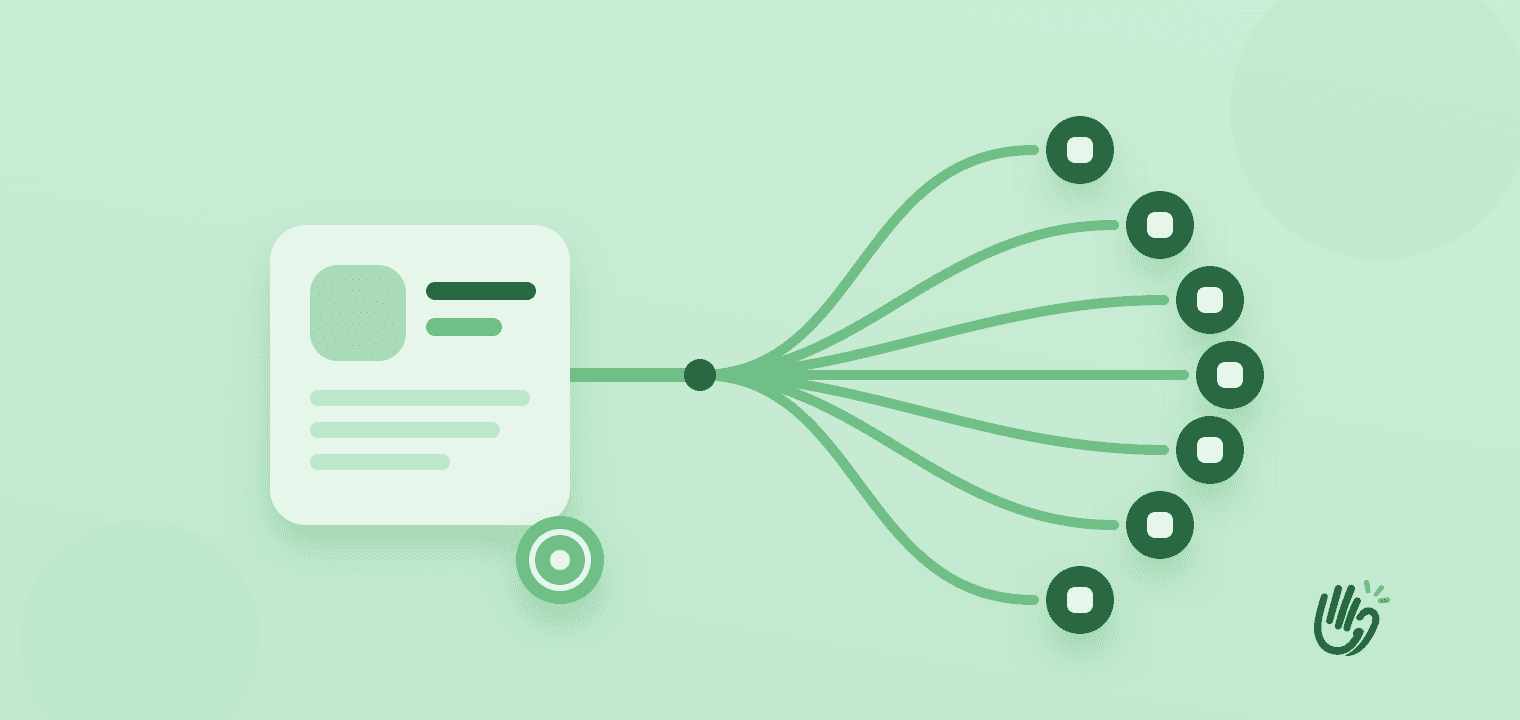
A small brand is rarely one social account. It is an Instagram, a LinkedIn page, a founder's LinkedIn, an X handle, a TikTok someone set up last spring, a Bluesky you claimed just in case, and a YouTube channel with four videos. Seven accounts, one person posting, and one scheduler that bills for each of them. The posts are the same. The meter counts the doors they go out of.
Postiz is a bet that the doors should be free.
What Postiz actually is
Postiz is a social media scheduler: you write a post once, pick the accounts, set a time, and it goes out to all of them. Its README lists Instagram, YouTube, LinkedIn, Reddit, TikTok, Facebook, Pinterest, Threads, X, Mastodon, Bluesky, Discord and Slack among the places it publishes to, plus a calendar, analytics, team comments and a public API that plugs into n8n, Make and Zapier. The newest part is the agent side. It ships an MCP server and a command line tool, so you can ask Claude, ChatGPT or Cursor to draft and queue the week's posts for you.
The code is AGPL-3.0, it has nearly thirty-eight thousand stars, and it ships often: version 2.25.3 came out on October 24 (repo). It is a Next.js and NestJS app on Postgres and Redis, and the project says you can deploy it with Docker, Coolify, Railway or any VPS. The detail that matters most is in its own comparison of the cloud and self-hosted versions. Self-hosted, channels, posts per month and team members are all listed as “Unlimited,” and the README is blunt about it: “We do not ‘gate’ features or limit the license.”
A scheduler does the same work whether it posts to two accounts or twenty. Self-hosted Postiz bills it that way: the twentieth channel costs what the second one did, which is nothing.
The channel tax
Here is what the paid side charges today. Every price was checked on October 26, 2026 on the vendor's own pricing page.
| Tool | What it counts | Entry price | Free option |
|---|---|---|---|
| Buffer | Channels | $60 per channel a year (Essentials) | 3 channels, 10 queued posts each |
| Hootsuite | Users | From $99 a month, billed yearly | 14-day trial |
| Sprout Social | Seats | $79 per seat a month yearly, $99 monthly | 30-day trial |
| Later | Social sets and users | $18.75 a month billed yearly, 1 set | 14-day trial |
| Postiz Cloud | Channels by tier | $29 a month for 5 channels | Self-host free, AGPL |
| Mixpost | Nothing | $299 once for Pro | Lite free, MIT |
Buffer is the friendliest of the paid group and still the clearest example of the meter. Essentials is $60 a year for each channel and Team is $120, both billed yearly, and its FAQ says channels past the tenth get cheaper and that prices were “last updated in November 2025.” Our seven-account brand pays $420 a year on Essentials or $840 on Team, and the eighth account adds to the bill the day someone creates it. Hootsuite and Sprout move the meter from accounts to people, so the cost grows with the team instead. Later counts “social sets,” one profile per network, and then users on top.
The open source Buffer alternatives
Postiz is the biggest, but it is not alone, and the shelf is short enough to read in one go. Of the 212 social media tools AppClap tracks, only 7 are marked open source.
Mixpost is the other serious option, and its pitch is the opposite of a subscription. The free Lite edition is MIT licensed, has about thirty-nine hundred stars, and its repository description literally ends with “(Buffer alternative)” (repo). The catch is that Lite publishes to Facebook Pages, Mastodon and X only. Pro, which covers the other networks plus approvals and an API, is $299 once with a year of updates, and the pricing page promises “No per-seat fees.” If you would rather pay something than run something, that is the cheapest honest deal in the category.
Socioboard is the veteran. Its licence file is the GPL v3, it has about fifteen hundred stars, and its recent commits are mostly dependency updates, so treat it as a codebase to study more than one to bet a brand on (repo). PostyBirb is a niche worth knowing: a BSD-licensed app that helps artists post the same piece to many art sites at once (repo).
What you actually take on
The paid tools are worth more than their sticker suggests, and the biggest reason is invisible until you self-host. Every social network makes a scheduler register a developer app before it can post on your behalf. Buffer, Hootsuite and Postiz Cloud have already done that work. Self-hosted Postiz has not: its own README says you create your own app on each platform and go through approval, and that Meta, YouTube and TikTok “can take weeks.” That is the real price of the free version, paid in forms instead of dollars.
Then there is the server. The October 24 Postiz release fixed two security advisories and told users to upgrade immediately. On Postiz Cloud that happened for you. On your own server it happens when you notice. Buffer's free plan, three channels with ten queued posts each, is genuinely enough for a lot of solo founders, and Sprout's per-seat price buys reporting and support that an agency's clients actually look at. If your social media is one person posting to three accounts, the meter barely runs and the paid tool is the sensible choice.
- 1Do you post to more than four or five accounts, and is that number still growing?
- 2Is someone on your team comfortable running a small server with Postgres and Redis?
- 3Are you willing to wait out platform app reviews before your first scheduled post goes live?
- 4Does it bother you that adding a channel or a teammate raises the bill?
This series keeps walking down a hallway of paid-app doors: dictation and meeting notes, the deploy platform and the inbox, the CRM, the login, the mailbox, the visitor book, the back office. This one is the shop window, the place where a small company talks to the street, and it is the one door that charges you again for every new window you put in. We keep writing these at AppClap because the search for software should put the tool you can own next to the famous one, with the bill spelled out. Our Buffer alternatives page lists what we track, or describe it in your own words: schedule posts to all my social accounts without paying per channel. Spend thirty seconds on the question underneath it. How many accounts will you have in a year, and do you want each one to come with an invoice?