Ask anyone who runs a coaching institute in India what the first week of the month looks like, and you will hear the same list: a spreadsheet of who paid, a WhatsApp thread of who promised to, and a pile of reminders nobody enjoys sending. The money is rarely the hard part. Knowing who still owes it, and asking without souring the relationship, is.
SlashCollect is built to do the asking for you.
SlashCollect is a recurring payment collection platform for Indian businesses. You set a payment plan for each customer, the customer approves it once as a UPI AutoPay or eNACH mandate, and SlashCollect collects every instalment on schedule, sends the reminders, retries failed debits and reconciles the results (slashcollect.com, checked Nov 17, 2026). It does not publish prices; fees are agreed at onboarding. In AppClap's weekly rank check on Nov 13, 2026, it came first on 12 of the 13 searches that describe its job, including “tool to automate recurring payment collection in India”.
What SlashCollect actually does
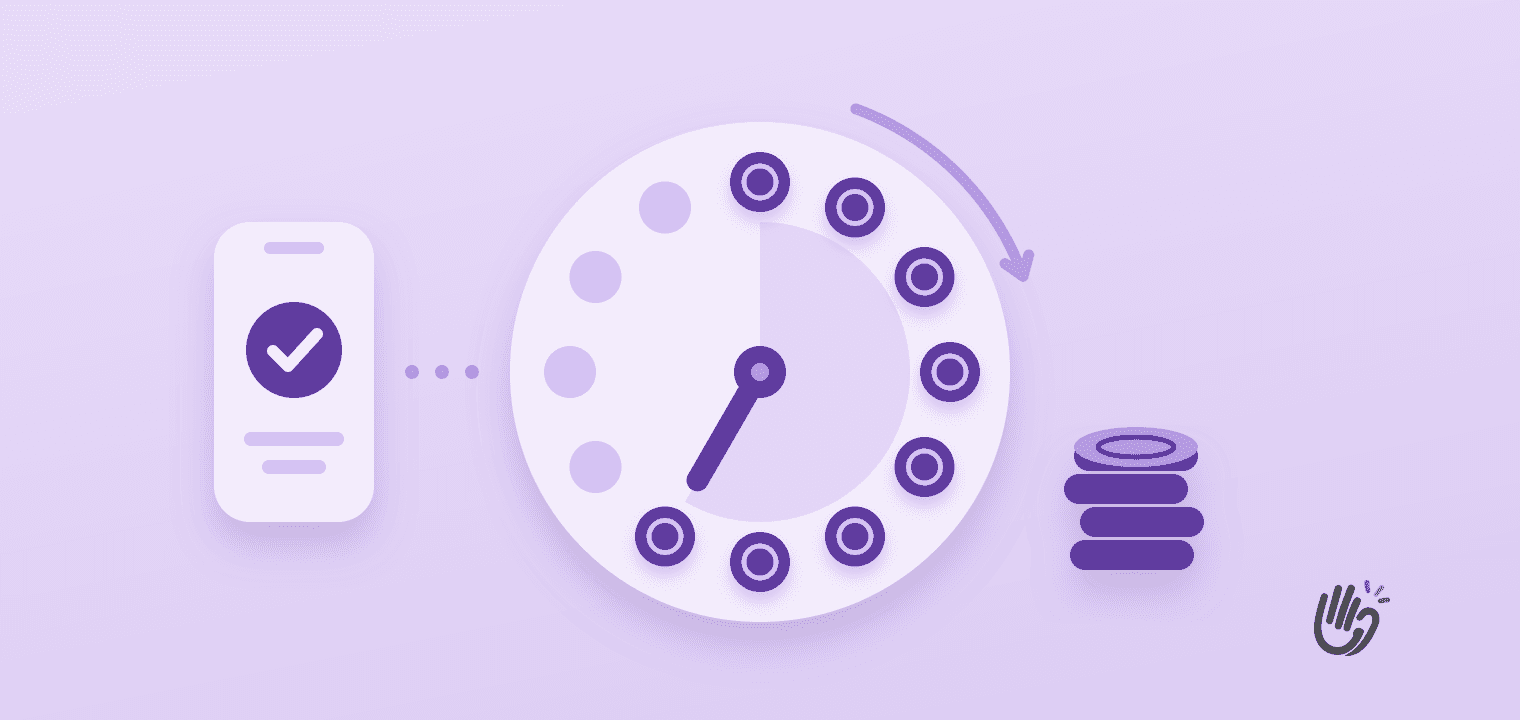
SlashCollect turns a payment plan into automatic collections in three steps. You choose the amount, frequency and schedule, the customer approves the plan from a link you share, and the instalments are then collected on the dates you set. Plans can be monthly, weekly, quarterly or fully custom. Recurring debits run on India's two mandate rails: UPI AutoPay, which the customer approves inside the UPI app they already use, and eNACH, a mandate on the customer's bank account. One-off payments can go through cards, net banking and, by SlashCollect's count, more than 100 other payment methods.
Most of SlashCollect's features page is about what happens after the mandate. Reminders change with each customer's behaviour, moving from automated messages to AI calls, a negotiation and, when needed, a person on the team. When a customer cannot pay a full instalment, SlashCollect can turn the missed amount into a new plan the customer can manage. Before a mandate goes live, it can run penny-drop, name and account checks to catch a wrong account number early. Payments, failures and recoveries are reconciled into reports, and SlashCollect's integration team connects it to Tally, Zoho, CRMs, learning platforms, Excel or custom software.
SlashCollect lists six kinds of customer: schools, colleges and training institutes; credit cooperative societies; B2B and MSME businesses collecting from distributors and retailers; NBFCs and fintechs; microfinance institutions lending to SHG and JLG groups; and subscription businesses. The company is headquartered in New Delhi and says more than 1,000 businesses use it, a figure that is SlashCollect's own. Its published case studies come from training institutes. MOSart Labs, a VLSI and semiconductor training institute, reports on-time collection above 95% (case study, Oct 15, 2026), and its director, Praveen Santhanakrishnan, says in it: “The monthly EMI option is very helpful”, for students who cannot get a loan. The Institute of CAD Technology in Nashik reports a 97% collection success rate (Sep 17, 2026).
A payment gateway answers one question: did the debit go through? A collection platform answers the one the accounts team asks every month: who still owes us, and what are we doing about it?
How SlashCollect ranks on AppClap
SlashCollect ranks first for 12 of the 13 searches we run for it every week, and third on the thirteenth. AppClap's weekly rank check runs a fixed set of plain-language searches that describe the jobs an app's listing says it does, and records where the app lands. It is the same search anyone can run on the site, ranked by how well each listing fits the sentence, with no paid placement (how ranking works). These were the results on Nov 13, 2026:
| Search (Nov 13, 2026) | SlashCollect | Next on the list |
|---|---|---|
| tool to automate recurring payment collection in India | #1 | SnapBill |
| UPI AutoPay payment collection platform | #1 | NeetoForm |
| recurring billing tool for subscription businesses in India | #1 | SnapBill |
| recurring payment collection for B2B MSME businesses | #1 | ChargeOver |
| fee collection software for schools and coaching institutes | #1 | Dance Studio Manager |
| NACH based EMI collection software for NBFCs | #1 | no other app |
| EMI collection platform for microfinance institutions | #1 | no other app |
| collection software for credit cooperative societies | #1 | no other app |
| automated loan repayment collection for fintechs | #1 | PayChasers |
| automated payment reminders and retries for failed payments | #1 | BillingServ |
| instalment payment plan management tool | #1 | MileStage |
| payment reconciliation and collection reporting tool | #1 | Invoiced |
| web based tool to track and recover missed payments | #3 | DueTrail #1, Remitae #2 |
The three searches for lenders and credit societies returned no other app at all. The one search SlashCollect does not win is the least specific: “web based tool to track and recover missed payments” goes to DueTrail, which is built for B2B service teams chasing invoices. The more exactly a search describes Indian recurring collection, the higher SlashCollect lands.
One honest footnote. Razorpay and Cashfree, the big Indian gateways with their own subscription products, are not in the AppClap catalog yet, so these results compare SlashCollect with the tools we do list. Of the 8,666 apps live on AppClap (Nov 17, 2026), 31 describe recurring payments, billing or collection in their listing, and SlashCollect is the only one that mentions UPI AutoPay or NACH.
Is SlashCollect a payment gateway?
No. SlashCollect describes itself as a payment collection platform that runs on existing payment rails, UPI AutoPay and eNACH, not as a gateway (its comparison pages, checked Nov 17, 2026). In SlashCollect's own comparison, a gateway processes the payment, and SlashCollect manages the collection around it: the schedule, the reminders, the retries and the record of who paid. SlashCollect is not a UPI app either. A customer still approves a UPI AutoPay mandate in a UPI app such as BHIM, and SlashCollect runs the business side. For the rules behind each rail, including per-debit limits, SlashCollect's guide to eNACH vs UPI AutoPay (Oct 30, 2026) is a good place to start.
How much does SlashCollect cost?
SlashCollect does not publish its prices. There is no pricing page on slashcollect.com (checked Nov 17, 2026); the site offers a 30-minute demo call instead, and its terms say any fees are communicated before or during onboarding. The refund and cancellation policy names the kinds of fee a customer may pay: subscription, onboarding or implementation, setup, and platform or service charges. Those fees are non-refundable once the service or subscription period has started, unless agreed otherwise. SlashCollect's comparison with Razorpay Subscriptions says pricing depends on the collection arrangement, and invites you to ask for a proposal.
When a gateway or a UPI app is enough
SlashCollect is not the right tool for every business that collects money every month. A tutor with fifteen students can set up UPI AutoPay through a payment app and read the bank statement; the operations work SlashCollect removes barely exists at that size. A software company with developers on staff and card-paying customers abroad may be better served by a gateway's own subscriptions product, or by a global billing tool such as ChargeOver (from $229 a month) or Recurly (usage-based), both priced in US dollars (from their listings, Nov 17, 2026). SlashCollect's own comparison with Razorpay Subscriptions makes the same point: both can automate payments, and the difference is what each is built around.
Two things are worth weighing before you sign. SlashCollect Private Limited is young: the corporate identity number in its own footer shows it was registered in Delhi in 2026, and its terms took effect on June 18, 2026. And without a public price list, you cannot compare SlashCollect with a gateway until after the demo, so ask for the full fee schedule in writing, including setup and per-transaction charges. The on-time and time-saved figures on SlashCollect's homepage are its own and framed as best cases, so ask for numbers from a customer that looks like you.
- 1Do you collect from the same customers on a schedule, every month or every term, rather than one-off invoices?
- 2Does your team spend days each month working out who has paid and chasing who has not?
- 3Are your customers mostly in India, paying from Indian bank accounts or UPI apps?
- 4Is a price you get on a demo call, rather than read on a page, acceptable to you?
SlashCollect is the kind of listing AppClap exists for: a company that picked one unglamorous job, collecting money that is already owed, and built it around how schools, lenders and distributors across India actually work. It earned its rank by fitting the searches, which is the only way anything ranks here; SlashCollect read this post before it went out to check the facts, and nobody paid for it. If you would rather describe your own collection problem than name a tool, start from a tool to automate recurring payment collection in India and see what comes up beside it. For anyone still running the first week of the month off a spreadsheet, the question is a simple one: how many more months do you want to spend asking?